Danilo Giuseppe De Filippis — Bari, Italy

I build things people see through a headset.

Unity developer, ten years in. I've shipped mixed-reality remote assistance on HoloLens and smart glasses, millimetre-accurate surgical navigation, augmented reality for factories and for cultural heritage, and a children's STEM app that passed two million downloads on iOS and Android.

Selected work

2017 — today

HoloLens capture, 2018 — placing and manipulating an anchored 3D object with gaze and air-tap.

Scotty

Mixed-reality remote assistance · Wideverse · HoloLens, Vuzix M300, Android

A technician stands in front of a machine that has stopped working. An expert, anywhere in the world, joins their field of view over a live video call and works directly in the technician's space — 3D holograms, annotations and freehand drawing that stay anchored to the hardware as the technician moves around it.

My part: core developer on the product. I built the HoloLens client with the Microsoft Mixed Reality Toolkit, designing interaction for people whose hands are busy and often gloved — gaze and gesture only, no controllers. The capture above is from development: an object being placed, scaled and rotated against the spatial mesh of a real room.

I then ported the experience to Vuzix M300 smart glasses and to Android, where the spatial interaction model had to be rebuilt for a flat screen and a far smaller compute budget.

  • Unity
  • C#
  • MRTK
  • HoloLens
  • Spatial mapping
  • Vuzix M300
  • Android
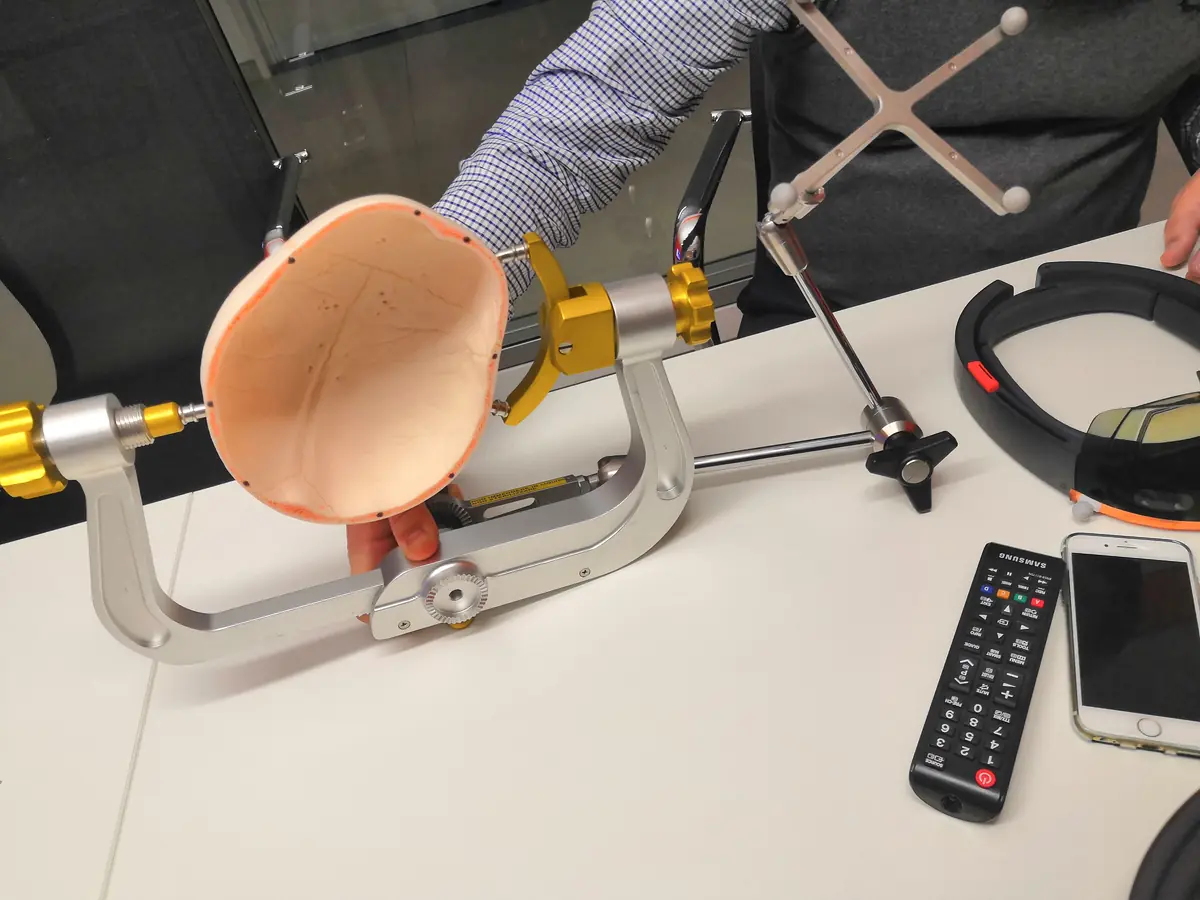
Skull phantom in a stereotactic frame beside a marker-equipped headset
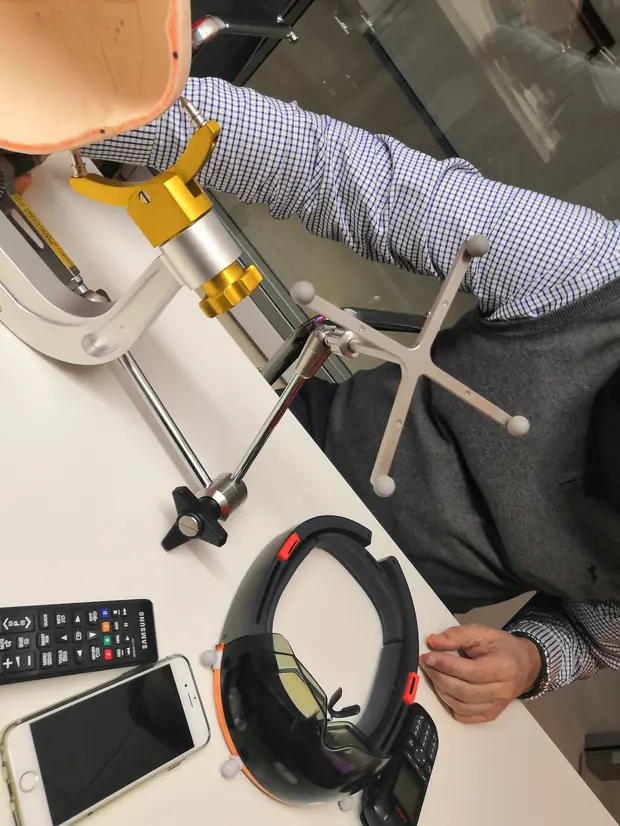
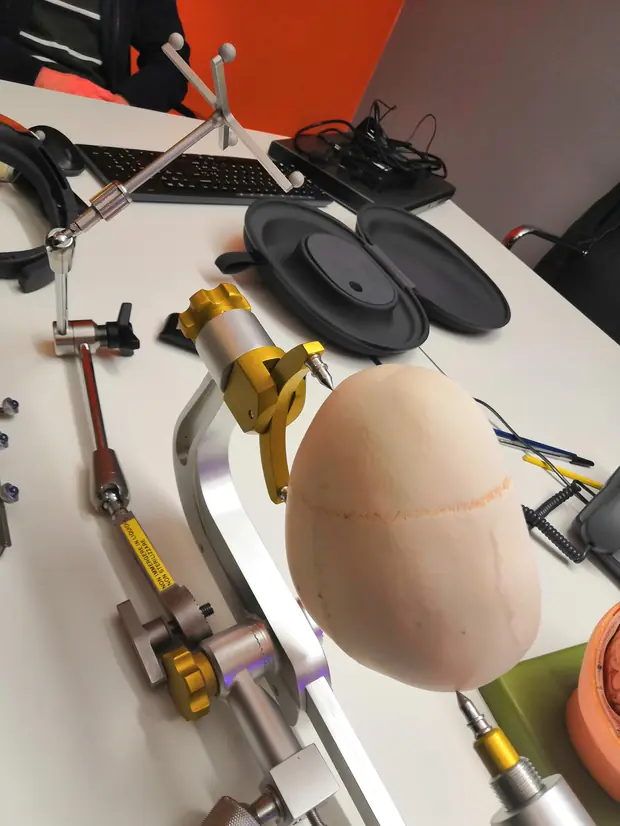
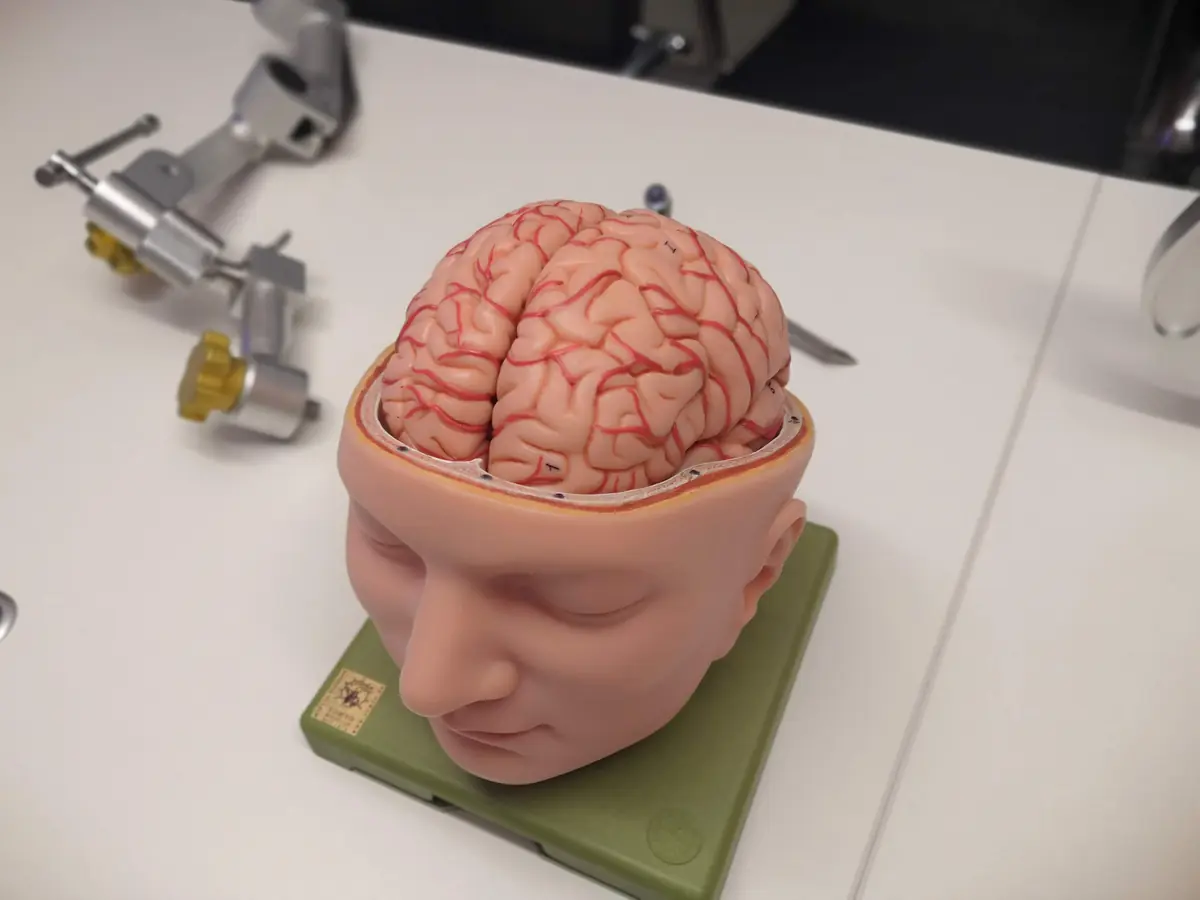
Tracked probe approaching the skullSmart glasses fitted with reflective tracking markersAnatomical brain phantom used for calibration

Development rig — a skull phantom in a stereotactic frame, an optically tracked probe, and a headset fitted with custom reflective markers.

Surgical navigation in mixed reality

R&D for MASMEC · Wideverse · HoloLens, smart glasses, custom hardware

A neurosurgeon planning an approach to a tumour works from images on a screen beside the patient and holds the mapping between the two in their head. The premise here was to put the imaging where the surgeon is already looking, registered to the patient's actual skull — which means the alignment has to be right not to within a centimetre but to within millimetres.

My part: the precision work. Standard headset tracking drifts far too much for this, so the system was extended with a custom antenna and sensors and an external optical tracker, with reflective markers fixed to the headset and to the surgical frame. My job was the registration and calibration layer that ties those coordinate systems together, and the validation loop against a skull phantom in a stereotactic frame.

The honest outcome: we established that the HoloLens generation available to us could not hold environmental tracking to surgical tolerance, and no amount of work on our side closed that gap. The finding was the deliverable — a clear, evidenced answer about what the hardware could and could not do, reached on a phantom rather than discovered in an operating theatre.

It is still the project I point to when someone asks about the hardest constraint I have worked under. In a game, a few millimetres of drift is invisible. Here it was the whole problem.

  • Unity
  • C#
  • HoloLens
  • Optical tracking
  • Custom sensors
  • Registration & calibration
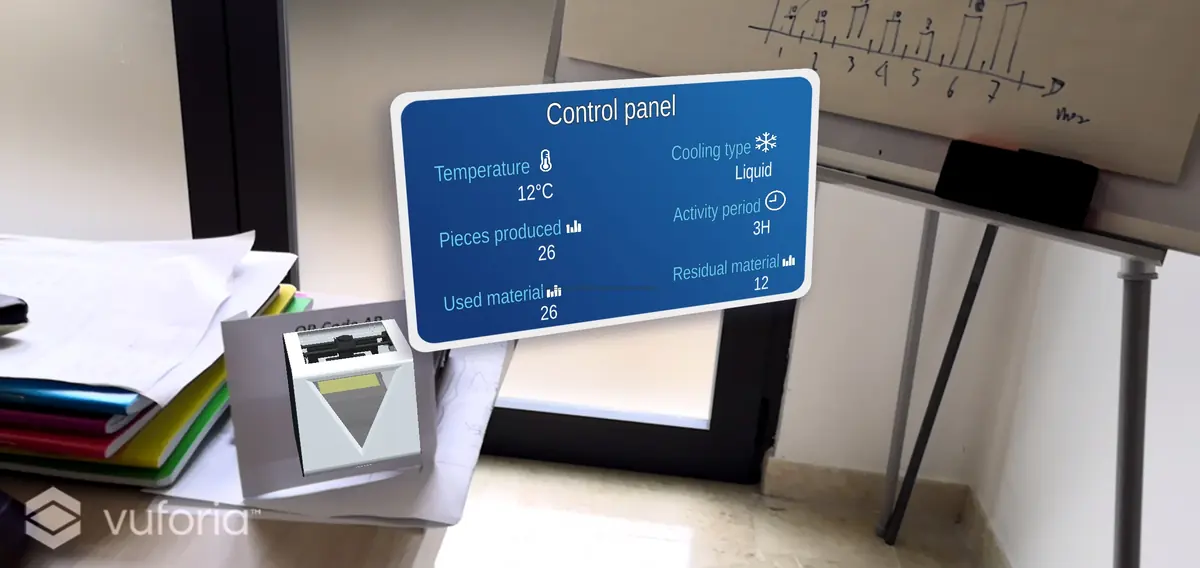
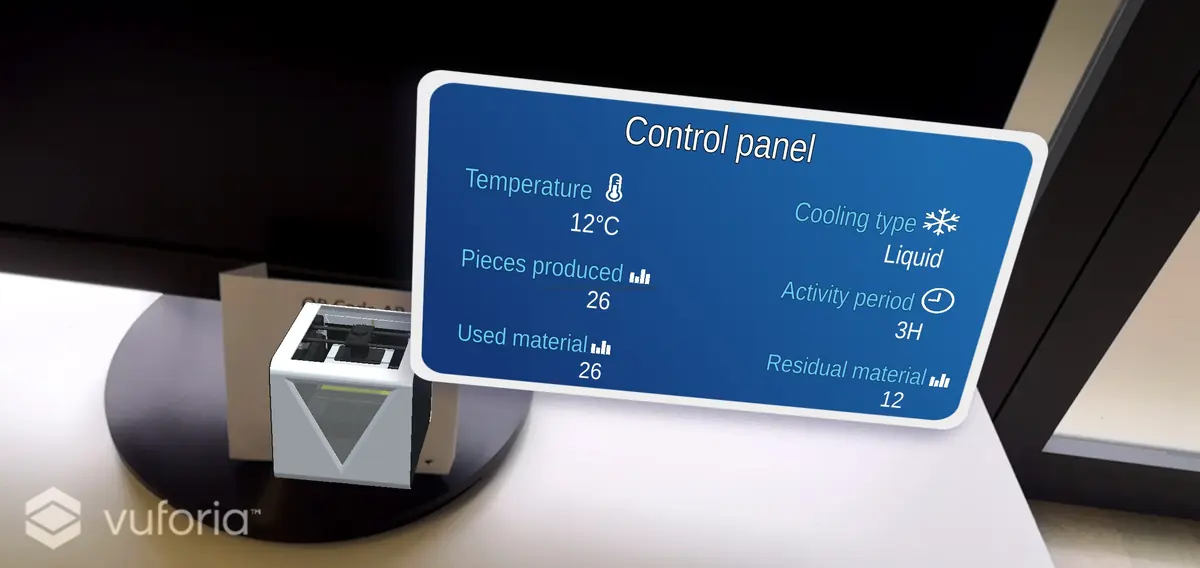
AR control panel anchored to a machineThe same panel seen from another angle
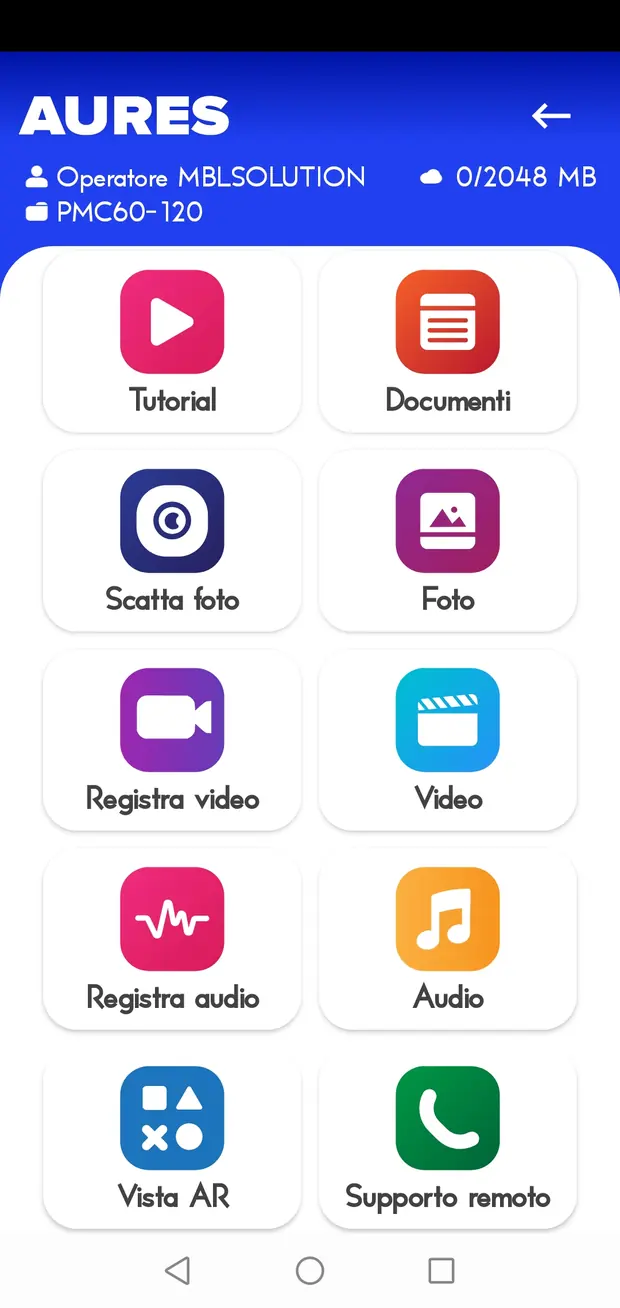
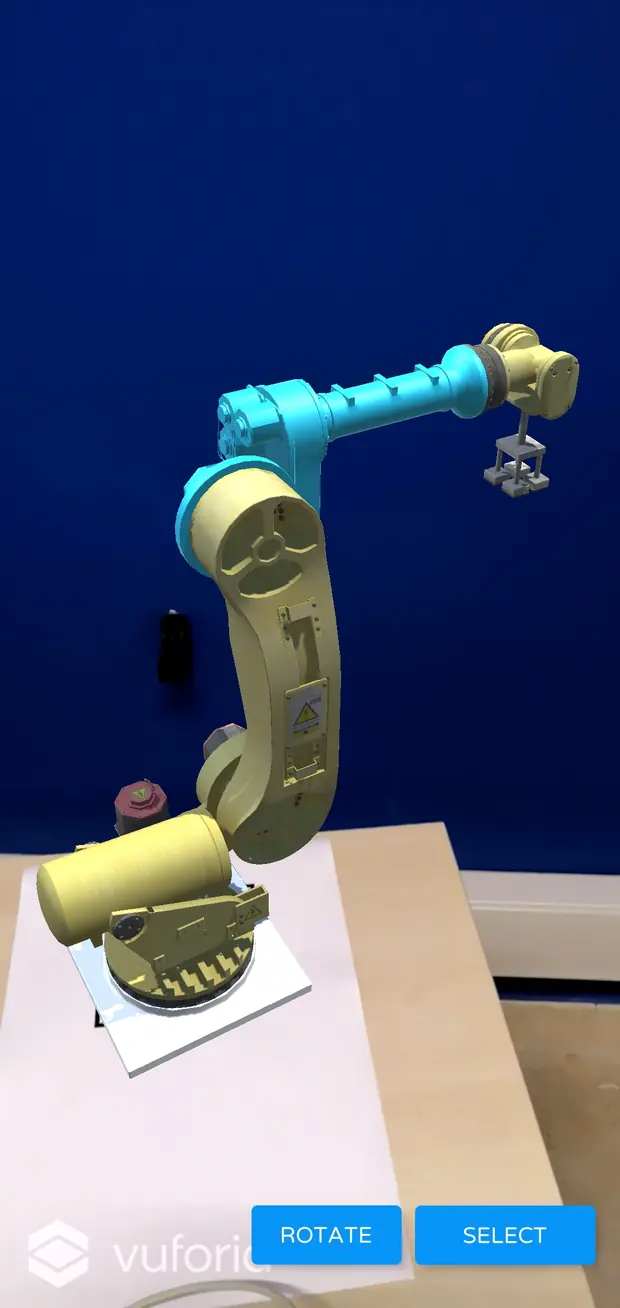
AURES operator menuIndustrial robot arm in AR
A maintenance demo in an aircraft hangar, image intentionally blurred

AURES on Android, 2020 — live machine data anchored to the equipment; the operator toolkit; an industrial arm explored component by component. Below, deliberately blurred: an on-aircraft maintenance demo run on an MB-339 trainer.

AURES

Augmented reality for industrial maintenance · MTM Project · Android, Vuzix M400

Point a phone or a Vuzix M400 headset at a machine and its live state appears next to it, locked in place: temperature, pieces produced, material used and remaining, cooling type, hours of activity. Around that sits everything an operator needs on site — procedures and documents, photo, video and audio capture, and a direct line to a remote expert.

My part: client-side development. Marker-based tracking that has to hold steady in a real plant, a data panel that stays legible at arm's length and at three metres, and 3D equipment models a remote expert can rotate and take apart component by component while talking a technician through a repair.

  • Unity
  • C#
  • Vuforia
  • Android
  • Vuzix M400
Illustrated manuscript page with narration
Interactive world mapTimeline of works inspired by Francesca da RiminiIlluminated illustration from the story

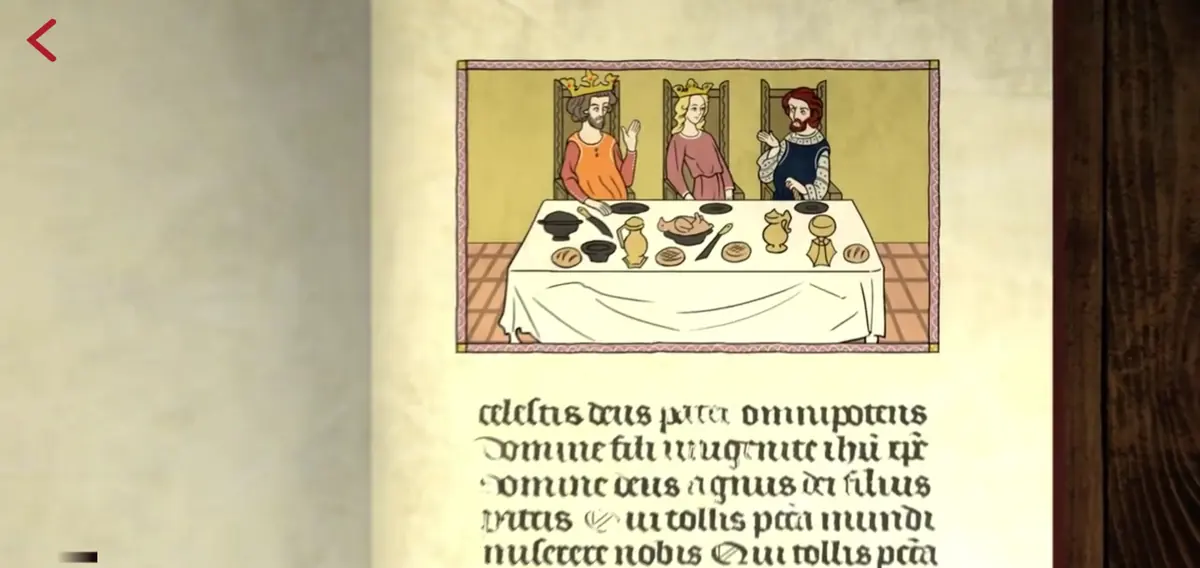
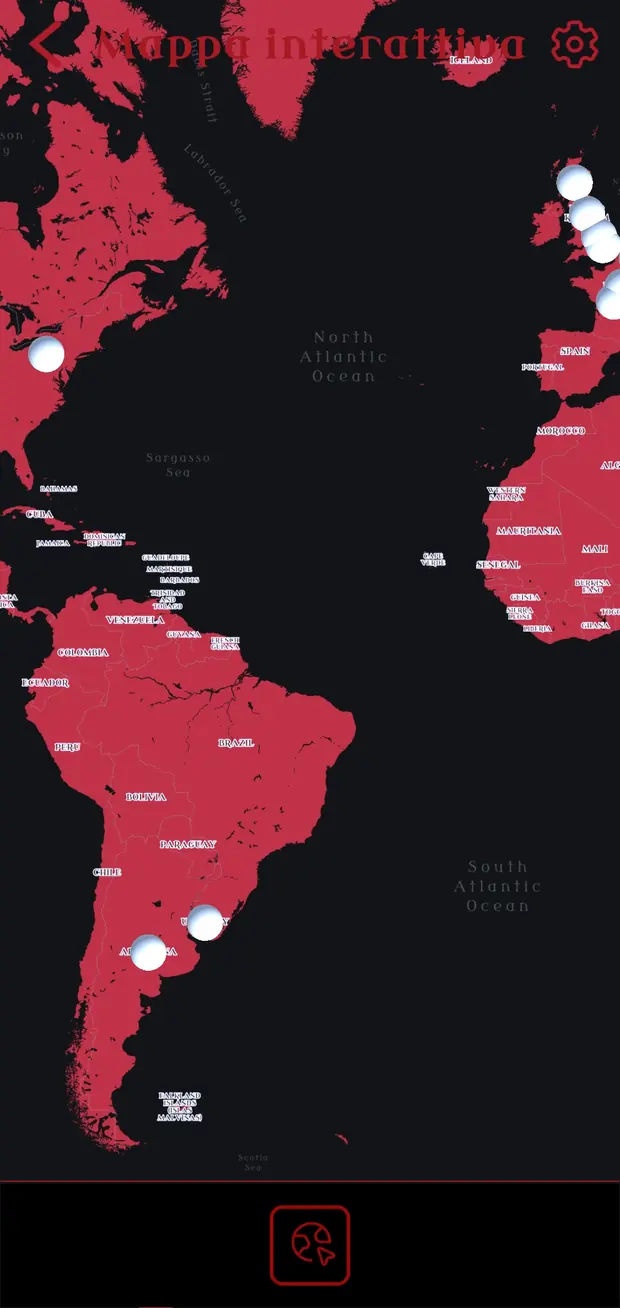
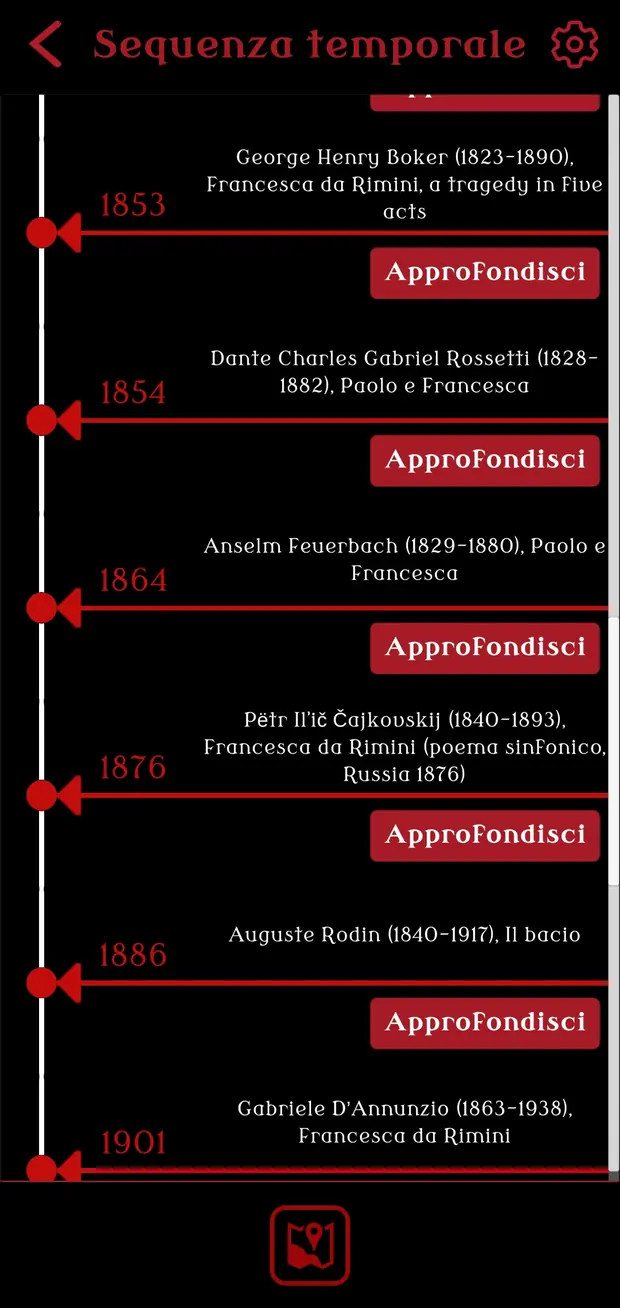
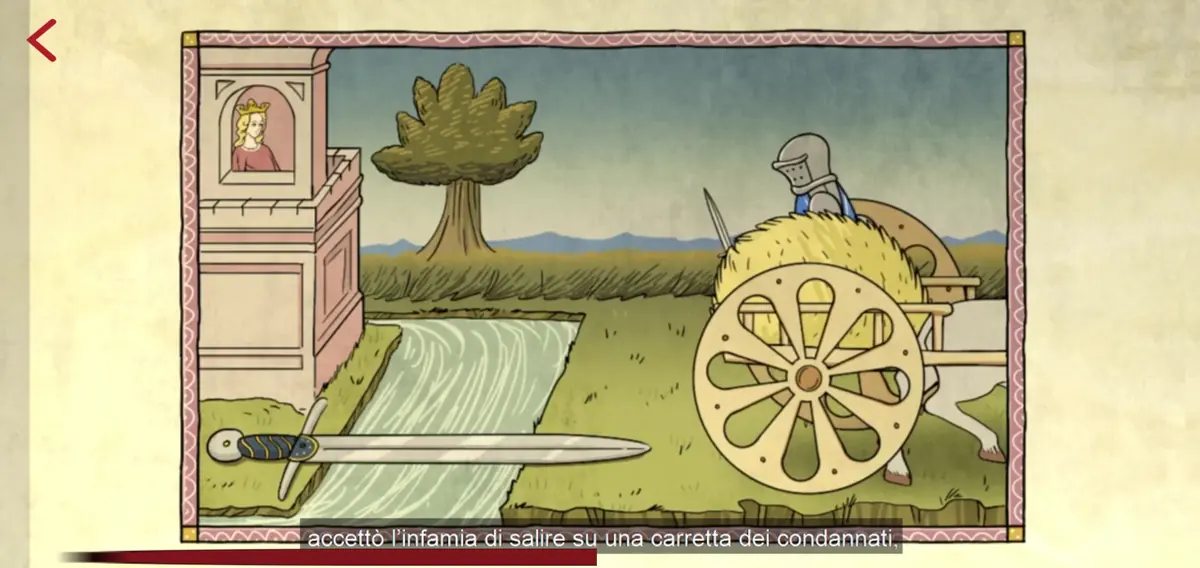
Inferno V, 2020 — the illustrated, voiced narration, the interactive map, and the timeline of works the canto inspired.

Inferno V

Dante 700 · MTM Project for Italy's Ministry of Foreign Affairs · Android · Sole developer

Built for the 700th anniversary of Dante Alighieri's death and shown abroad through Italy's cultural network. The app takes the fifth canto of the Inferno — Paolo and Francesca, the most retold love story in Italian literature — and opens it up: an illustrated, narrated reading in the style of a medieval illuminated manuscript, a world map of the places the story travelled to, and a timeline running from the thirteenth century to the twentieth, tracking every painter, poet and composer the canto set off, from Rossetti and Rodin to Tchaikovsky and D'Annunzio.

At its centre is a karaoke mode for the verse itself. Each tercet is voiced by a recorded reading, subtitled and synchronised line by line across several languages — so a visitor in Tokyo or Buenos Aires can follow Dante in their own tongue, or recite it aloud over the recording. A handful of augmented-reality pieces sit alongside the main experience.

My part: I built the whole app, alone — architecture, interface, the synchronised multi-language audio and subtitle system, the AR components, and the release. The hard constraint was not technical difficulty but restraint: the interface had to disappear behind seven-hundred-year-old material and still work on a phone handed to someone who has never opened it before.

  • Unity
  • C#
  • Android
  • Synchronised audio
  • Localisation
  • AR
An underwater drone mini-game in Smart Tales
Smart Tales home screenStory and game selection

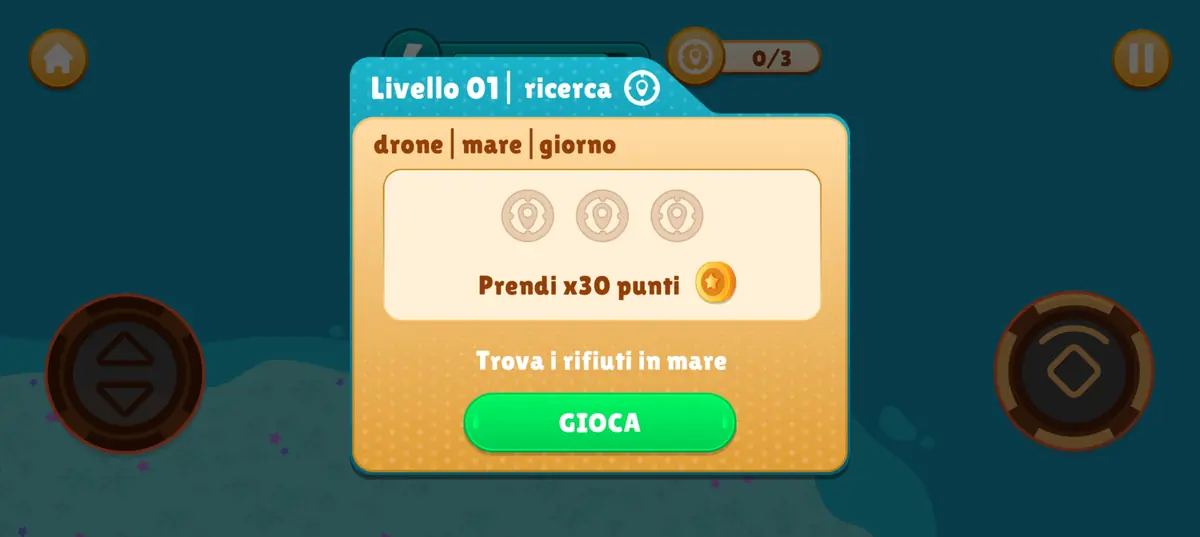
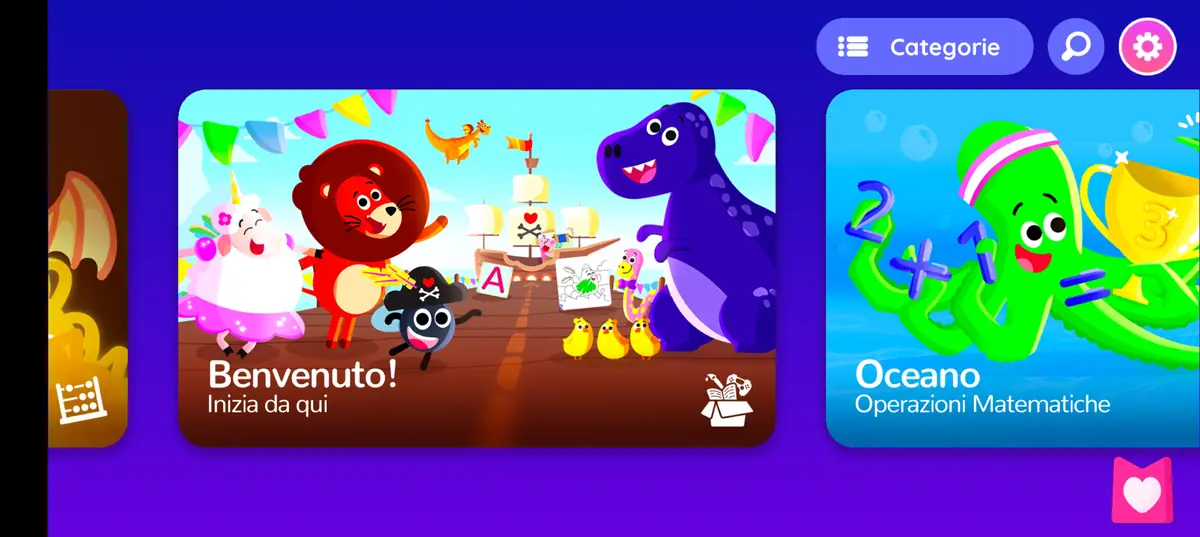
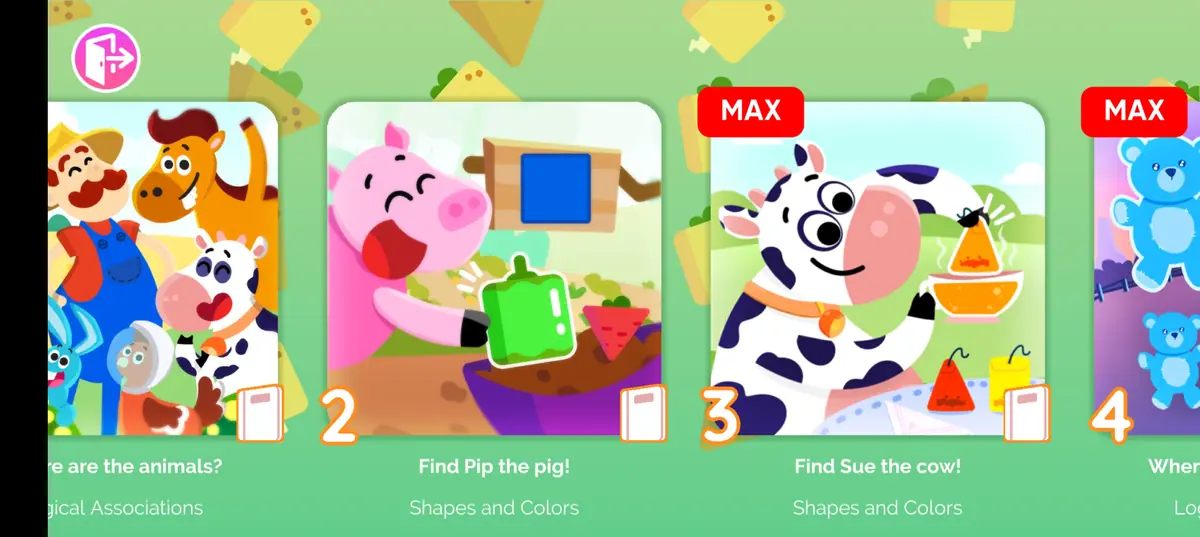
Smart Tales on Android — piloting a drone to collect ocean litter; the home shelf; the story and game library.

Smart Tales

Children's STEM app · Marshmallow Games · iOS, Android · 2M+ downloads, 160+ countries

Interactive stories that teach maths, science and technology to children aged three to eight. Each story is part narrative, part playable game, localised across dozens of markets and running on hardware from current flagships down to low-end Android phones.

My part: core developer. I have built six or seven of the games inside the package — each one a small, self-contained design problem: a drone searching the seabed for litter teaches spatial search, a market stall teaches arithmetic. Alongside that I own gameplay and UI systems in C#, custom shaders, and the editor tooling that developers and artists use to assemble content without going through an engineer. I also do the performance work that keeps the app running at the low end of the device range, and take the research spikes that decide how a new feature gets built.

I led the migration of the whole project to the latest Unity release — build system, render pipeline, texture compression, audio — replacing deprecated third-party plugins with in-house equivalents, and I maintain the release pipeline for both stores.

  • Unity 6
  • URP
  • C#
  • Shaders
  • Editor tooling
  • Spine
  • Firebase
  • Jenkins
  • Fastlane
Training simulation captureA run through one of the VR maintenance scenarios — the electrical cabin procedure works well.

Kometa

Immersive training for utility maintenance · MTM Project · HTC Vive

Resetting a transformer cabin is the kind of procedure that is expensive to rehearse on the real equipment and dangerous to get wrong. Kometa — Knowledge Community for Efficient Training through Virtual Technologies — put that training in a headset instead: the operator stands inside a simulated plant and performs the manoeuvre as many times as they need. It was a regionally funded research project led by MTM Project together with Acquedotto Pugliese, the Apulian water utility, the regional water authority, and the computer science department of the University of Bari.

My part: building the simulated environments and their interaction — tools that behave the way the real ones do, procedures that can be performed correctly or incorrectly, and a system that can tell the difference. Kometa was one of several training environments I built at MTM Project.

  • Unity
  • C#
  • HTC Vive
  • SteamVR
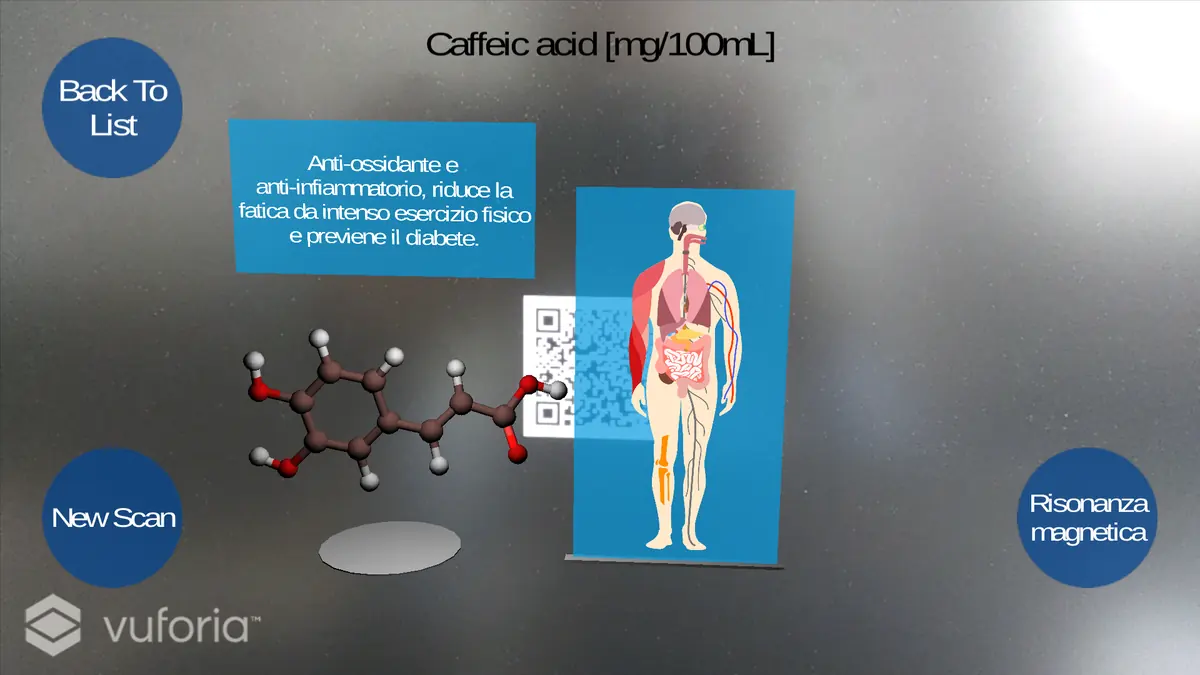
AR molecule with description and highlighted organs
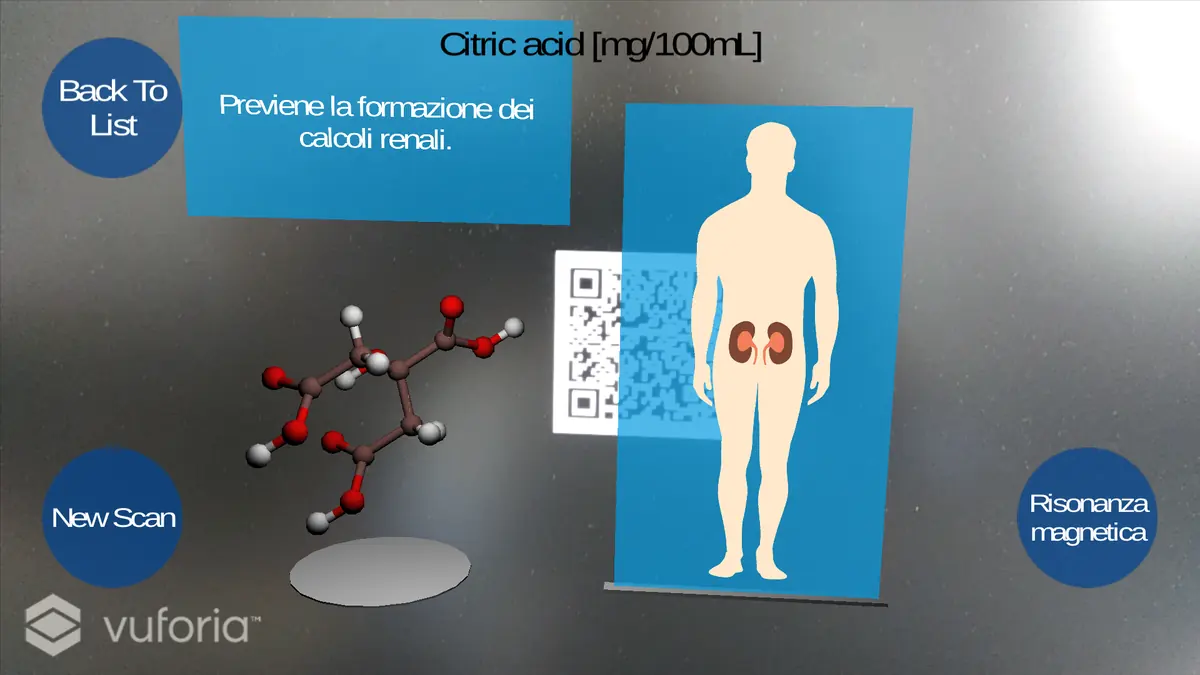
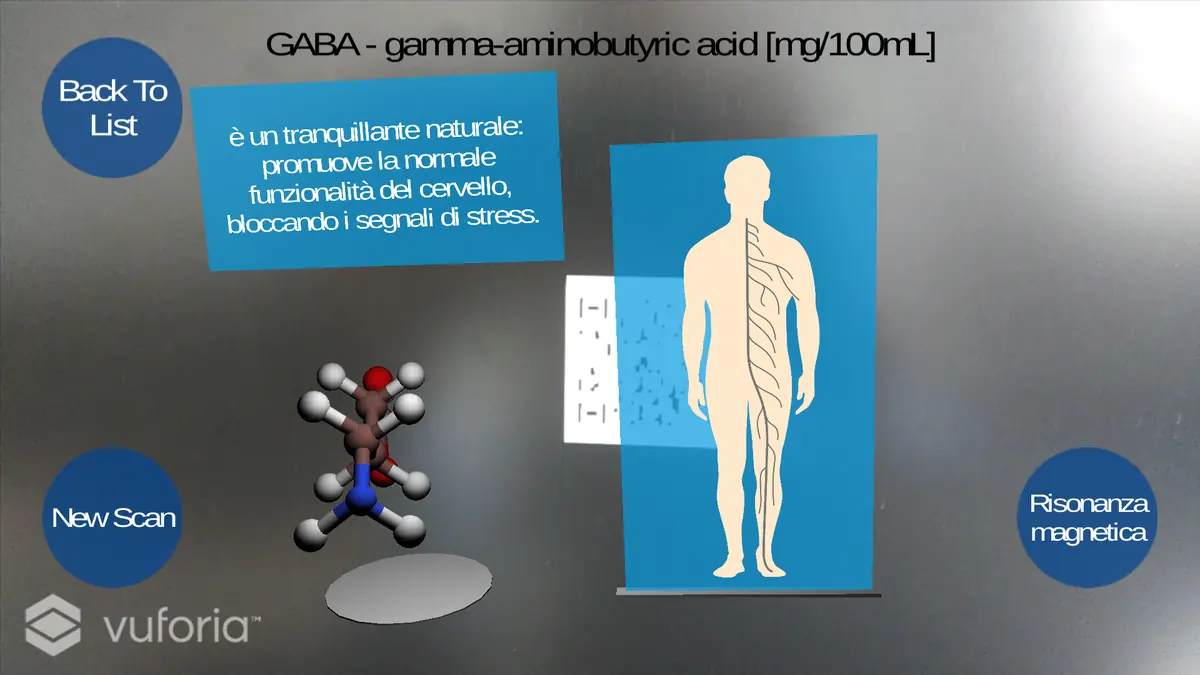
GABA molecule in ARCitric acid molecule in AR

Olive oil AR, 2017 — scan the label, and the chemistry of what is in the bottle appears above it.

Olive oil in augmented reality

Consumer AR · Wideverse · Android

Scan the code on a bottle of olive oil and its chemical profile rises off the label: each compound as a 3D molecule you can walk around, a plain-language note on what it does for you, and the part of the body it acts on highlighted on a human figure — caffeic acid and inflammation, proline and collagen, GABA and stress, citric acid and kidney stones.

My part: development of the Android app, commissioned by the chemistry department of the Politecnico di Bari. A piece of food-science data that normally lives in a lab report, turned into something you can hold up to a bottle.

  • Unity
  • C#
  • Vuforia
  • Android

Before that

2013 — 2017

Four years of applied research at SisInfLab, Politecnico di Bari, turning open-ended briefs into working prototypes: semantic augmented-reality point-of-interest discovery, an indoor navigation assistant for disabled students on campus, real-time inference for biofeedback, maritime logistics systems. Five peer-reviewed publications came out of it.

Alongside, the first VR prototypes on Gear VR and HoloLens, and Kibu, an adventure game for five-to-eight-year-olds — built during a Master's in Computer Game Development at the University of Verona, which is where the Unity half of all this started.

What I work with

Engine & XR

Unity 3D and Unity 6, URP, Microsoft Mixed Reality Toolkit, Vuforia, SteamVR. HoloLens, HTC Vive, Vuzix M300 and M400, Epson Moverio, Gear VR.

Code & graphics

C#, C++, Java. Custom shaders, editor tooling, Spine, DOTween, FMOD, Blender, performance work for low-end mobile.

Ship it

Android, iOS, WebGL, Windows. Jenkins, Fastlane, Xcode signing, Gradle, Git. Firebase, RevenueCat, Adapty, CleverTap.

How I work

Comfortable owning a feature end to end, from the prototype nobody believes in to the version running on two million devices. Used to working against hardware I cannot change and tolerances I cannot negotiate. An AI-assisted workflow I keep current as the tooling moves.

Working on something spatial?

I'm open to Unity and XR roles, remote or based in Italy. Happy to talk through any of these projects in more detail.